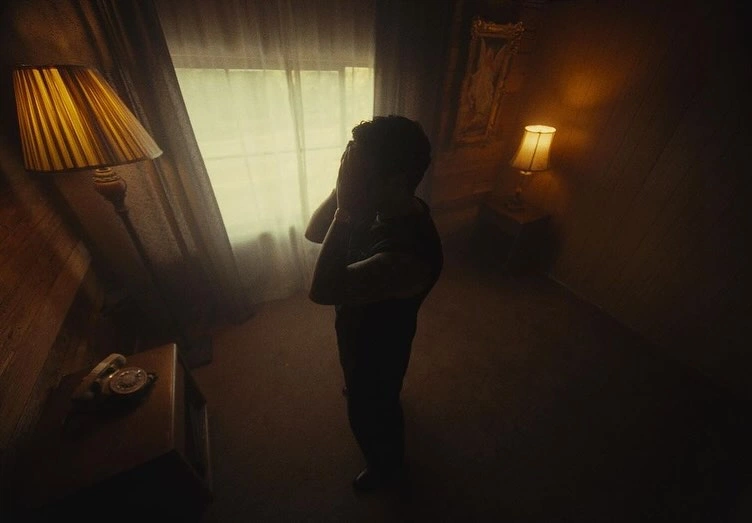
I always give in just to end the argument
Always giving in just to end the argument? The fight isn't over, it's in storage. Why caving feels like peace, and how to stay in the room instead.
September 24, 2026
·
5
min to read

September 7, 2026
Short answer: it depends on what you need it to do. AI is not a licensed couples therapist, and anyone selling it as a full replacement for one is overselling. But for a lot of what couples actually get stuck on (the same argument on a loop, not knowing how to bring something up without it turning into a fight, needing to cool off before you say the thing you'll regret), it can be genuinely useful. And it's there at 11pm on a Tuesday, when no therapist is.
So the honest version of "is it any good" isn't yes or no. It's: good at some things, not built for others. Here's where the line actually falls.
A few things AI does well, and does right now:
If you've been wondering whether AI can help your relationship at all, this is the concrete version of yes: not magic, but real leverage on the ordinary stuff.
Be honest with yourself about the limits, because they're real.
A good couples therapist does things AI does not. They sit in the room and feel the temperature change. They catch what you're not saying. They hold both of you accountable to each other's face, over months, and they carry the history of your specific relationship in a way a fresh conversation can't. If there's trauma, an active addiction, or a pattern of one person controlling the other, you want a trained human, not software.
And AI can't want anything for your relationship. It won't chase you when you ghost the hard conversation. That part is still on you.
So the useful reframe isn't "AI versus a therapist." It's what each is for. Think of AI as the thing between sessions, or before you're ready for sessions, or the honest first step when you can't even tell if the relationship is worth the work. A therapist is for the deep, in-person, long-haul work. They're not competing for the same job.
Here's the thing we notice most in Maia conversations, and it's not what people expect going in. The people who get something real out of it almost never come with a tidy question. They come mid-feeling. "He shut down again and I don't know what I did." "We had the same fight we always have and I'm so tired." What helps them isn't an answer handed down from on high. It's having somewhere to slow down, say the messy version out loud, and get it reflected back a little clearer than it went in.
Often what surfaces isn't the thing they typed. Someone starts on "we keep fighting about money" and, a few exchanges later, lands on "I don't feel like a team." That's the shift. Not advice. Clarity. And clarity is the part that actually moves a fight.
That's also why the "is it good" question is a little off. A tool doesn't fix your relationship. It helps you understand it well enough that the next conversation with your actual partner goes differently. When couples record a hard talk together and get a shared read on it afterward, or one person reflects solo before they're calm enough to go back in, the useful thing isn't the software. It's what they say to each other next.
If you're circling the same argument, if you keep going quiet because every version of raising it turns into a fight, if therapy isn't accessible right now or your partner won't go: yes, it's worth a real try, with clear eyes about what it is.
The best way to find out whether it's any good is to bring the actual thing that's bothering you and see what comes back. Not the polished version. The real one, the fight you had last night or the feeling you can't quite name. Maia is built for exactly that conversation, on your side and at your pace, whenever you're ready to have it.


Like It? Share this article:
Our Mission & Editorial Standards
At Maia, we're passionate about helping couples thrive. That's why we prioritize providing you with accurate, actionable, and science-backed content.
Our blog posts are grounded in the latest research on relationships, communication, and psychology. We work closely with a team of relationship experts to ensure our content reflects the most up-to-date knowledge in the field.
Our goal is to empower you with the knowledge and skills you need to create a fulfilling and lasting relationship.
Stay tuned for insightful articles, expert advice, and practical tips – all designed to help your love story flourish.